Step 01 - Define

Travel styles: the same trip, six different versions

Before comparing hotels or routes, decide how you travel. Style determines budget allocation, pacing, accommodation type and how much of the trip should be planned in advance.

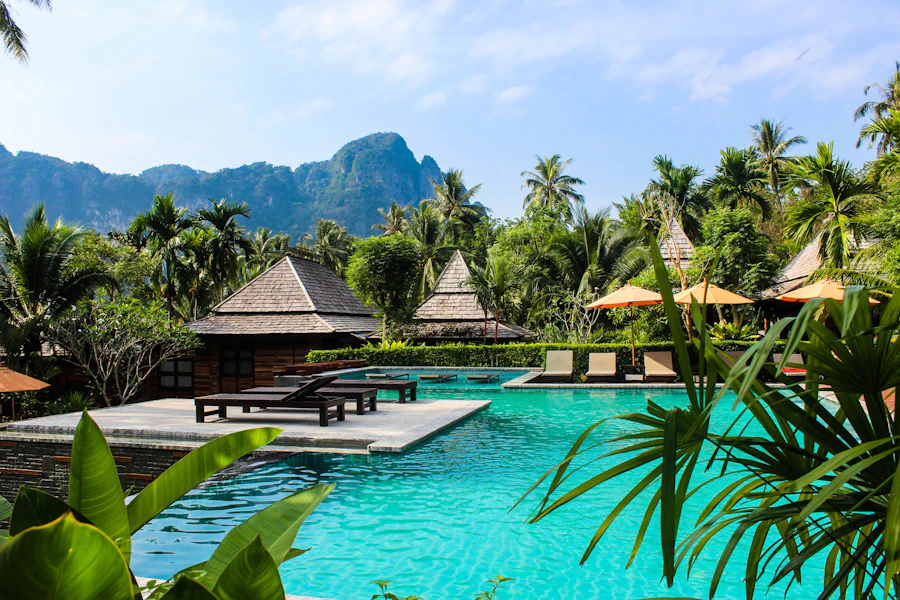
Hotel terrace with sea view, representing different travel styles
Traveler with a backpack walking through a street market

What to prioritise

  • Transport costs, which usually move the total more than nightly rates
  • A central location, so you don't pay twice in taxis
  • Kitchen access or good street food nearby
  • Free walking days between paid attractions

Travel style

Budget Travel

Budget travel is not the same as cheap travel. It means deciding early where money genuinely improves the trip and where it does not, then holding that line while you book.

Who it suits

Students, long trip travelers, first international journeys and anyone who prefers three weeks away over one polished week.

Typical accommodation

Guesthouses, small family hotels, well reviewed hostels with private rooms, apartments outside the first tourist ring but still on a metro line.

Transportation

Regional trains, buses, low cost carriers booked ahead, and city transit passes. Avoid airport taxis unless arriving late at night.

Planning considerations

Book the two or three expensive components early and leave the rest loose. Budget trips fall apart when every day is prepaid and something shifts.

Hotel lobby with warm lighting and armchairs

What to prioritise

  • Direct routes over cheap connections
  • Late checkout and reliable air conditioning or heating
  • Walkable neighborhood with restaurants after 9pm
  • One or two paid experiences that genuinely matter

Travel style

Comfort Travel

Comfort travel accepts a higher nightly rate in exchange for time and energy. You stay closer to the center, you take the direct flight, and you stop optimizing every euro.

Who it suits

Working travelers with limited days off, couples on a first big trip together, and anyone who has already done the very cheap version and wants an easier version.

Typical accommodation

Three and four star hotels, boutique properties, serviced apartments for stays longer than four nights.

Transportation

Fast trains, prebooked private transfers on arrival day only, occasional ride hailing when the metro would cost an hour.

Planning considerations

Fix accommodation and intercity transport in advance. Keep daily plans to one anchor activity plus options.

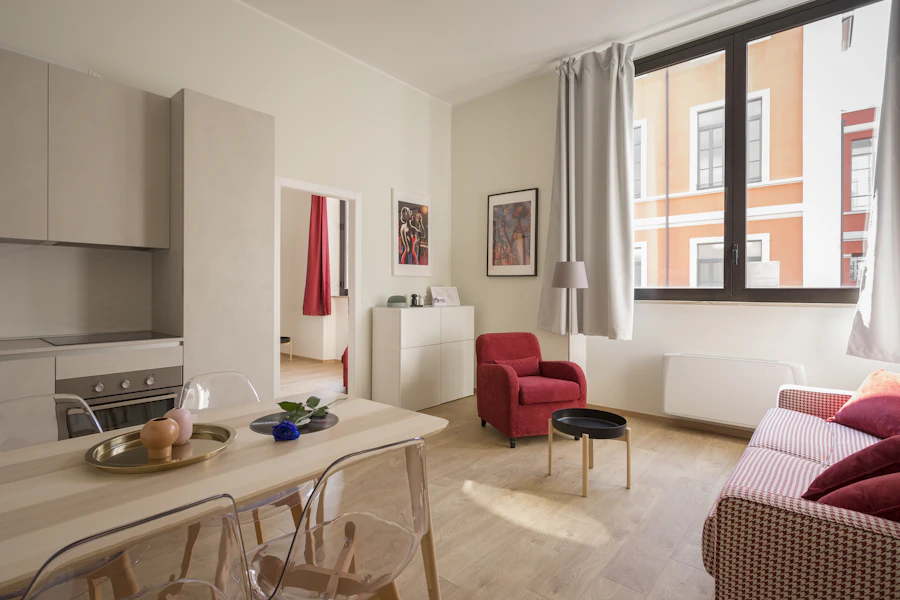
Spacious hotel room with large windows and a made bed

What to prioritise

  • Property quality and location over property brand
  • Private transfers and lounge access on long travel days
  • Restaurant reservations made weeks ahead
  • Space in the schedule to do nothing

Travel style

Luxury Travel

Luxury travel is mostly about editing. Fewer cities, longer stays, and a property that is worth spending daytime hours in rather than just sleeping at.

Who it suits

Honeymoons, milestone trips, short high value escapes and travelers who value privacy and service over volume of sights.

Typical accommodation

Design hotels, resorts with real beach or mountain access, suites, villas with staff, and heritage properties in historic districts.

Transportation

Business class on long haul, first class rail in Europe and Japan, private drivers for day trips, seaplane or speedboat transfers where relevant.

Planning considerations

Reserve the property first, then build the trip around it. Confirm transfer times directly with the hotel, especially for island arrivals.

Solo traveler looking out over a city from a viewpoint

What to prioritise

  • Neighborhood safety at night, not just during the day
  • Accommodation with a real reception desk
  • Group activities on day two or three to break the silence
  • Single supplements checked before booking tours

Travel style

Solo Travel

Travelling alone changes the planning math. You gain complete flexibility and lose the person who watches the bags while you buy tickets.

Who it suits

Anyone between trips, remote workers, and travelers who want to move at their own pace without negotiating every meal.

Typical accommodation

Small hotels, hostels with private rooms, guesthouses where staff actually talk to you, and apartments only for longer stays.

Transportation

Daytime arrivals wherever possible, transport booked in advance for the first and last leg, and offline maps saved before landing.

Planning considerations

Plan the first 24 hours in detail and leave the rest flexible. Share your route with someone at home, it costs nothing.

Family walking together on a coastal path

What to prioritise

  • One base for at least four nights
  • Rooms with separation, or connecting rooms
  • Ground floor access, lifts and laundry
  • Food that is available at 5pm, not 9pm

Travel style

Family Travel

Family travel is scheduling with a safety margin. The itinerary that works for two adults will not work with children, and the fix is almost always fewer stops.

Who it suits

Parents with young children, multi generation groups, and school holiday travel where dates are fixed.

Typical accommodation

Apartments and aparthotels, family rooms in mid range hotels, resorts with a pool, and properties near a park or a beach.

Transportation

Trains over flights where the timing is similar, prebooked car seats, and airport transfers arranged before arrival.

Planning considerations

Two activities a day maximum, one in the morning and one after rest. Keep a wet weather option per city.

Couple walking along a scenic waterfront at sunset

What to prioritise

  • One memorable dinner reserved before departure
  • A room worth returning to in the afternoon
  • One shared activity neither of you has done before
  • Separate hours if you want them, without drama

Travel style

Couples Travel

The main risk on a couples trip is over scheduling. Two people with different energy levels need built in gaps, not a shared checklist.

Who it suits

Anniversaries, honeymoons, long weekends away and any trip where the point is time together rather than coverage.

Typical accommodation

Boutique hotels in historic centers, small coastal properties, and rooms with a view when the view is actually the reason you came.

Transportation

Scenic rail sections, one rental car day for coastline or countryside, and walking routes planned as part of the day.

Planning considerations

Agree the two or three non negotiables each before booking. Everything else stays open.

Next step

Apply your style to a real route

Every trip plan lists the style it was written for, so you can adapt the pace rather than rebuild the itinerary.

Explore Trip Plans