Step 03 - Stay

Where you sleep decides how the trip feels

Accommodation is not a separate decision from the route, it is part of it. This page explains how to choose a neighbourhood first and a property second, whatever your budget.

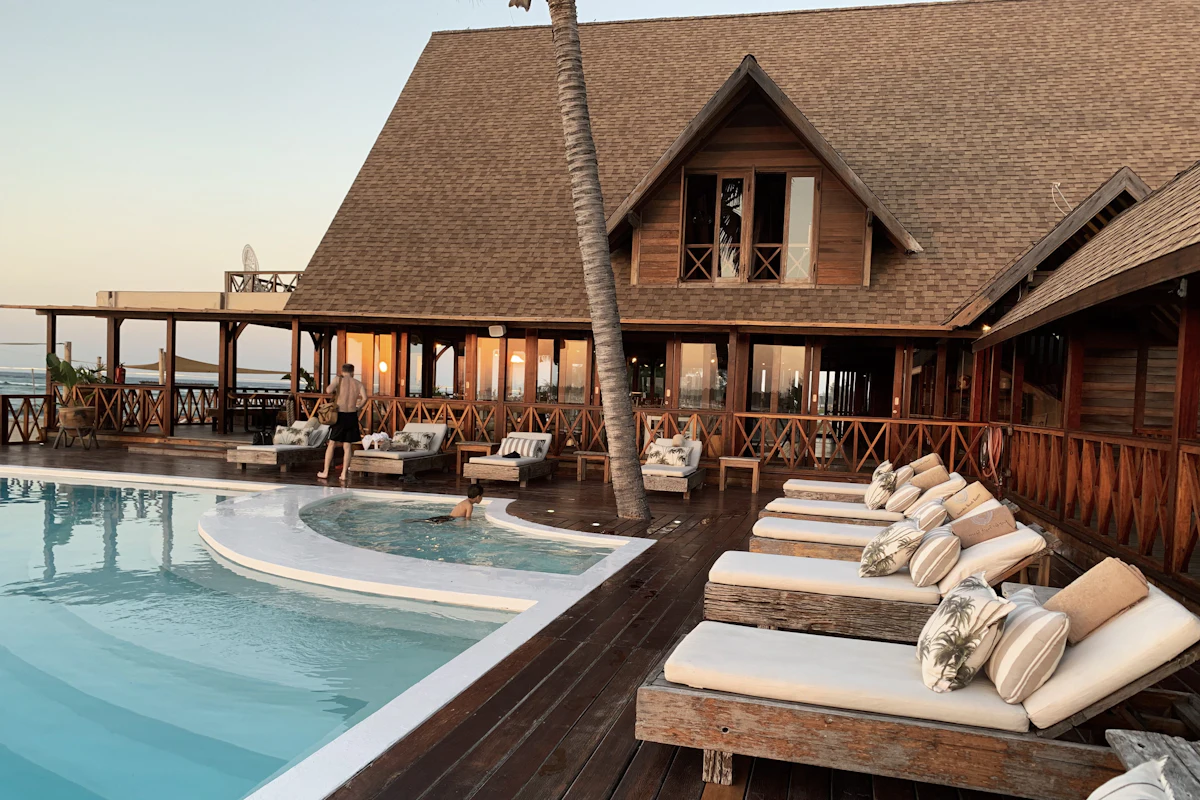
Hotel exterior with a pool and terrace in the evening

Method

Neighborhood first, property second

The right hotel in the wrong district is worse than an average hotel in the right one. Start by narrowing the map.

Pick the two or three things you will do most often, then find the area that sits between them. In a city with strong transit that might be a station rather than a street. On a coast it is usually the walkable stretch between the beach and the restaurants, not the resort strip three kilometres out.

After that, apply three practical filters. First, how do you get from the airport or station with luggage. Second, is there somewhere to eat within five minutes at the time you will actually be hungry. Third, what does the street sound like at midnight. Those three answers eliminate most listings quickly.

Only then should you compare properties. At that point you are choosing between good options rather than gambling on a map pin.

Comfortable hotel room with natural light and a made bed

By budget level

Three tiers, three different jobs

Budget accommodation

Hostels with private rooms, guesthouses, small family hotels and apartments one metro stop outside the centre. The main trap is choosing a cheap room that costs you two taxi rides a day. Look at the transport line before the nightly rate, and read the three star reviews rather than the five star ones, they are usually more accurate about noise and beds.

Lisbon: Arroios. Bangkok: Ari. Barcelona: Poble Sec.

Comfort accommodation

Three and four star hotels, boutique properties and serviced apartments. You are paying for location, a decent bed and reliable climate control. For stays of four nights or more, an apartment with a washing machine changes what you need to pack. Ask about late checkout when you book, not on the last morning.

Rome: Monti. Tokyo: Shinjuku or Kanda. Seville: Santa Cruz edge.

Luxury accommodation

Design hotels, resorts and heritage properties where the building is part of the trip. At this level the property should reduce logistics, not add them: airport transfers arranged, restaurant reservations handled, and staff who answer questions before you have to ask twice. Fewer moves, longer stays.

Maldives: overwater with a speedboat transfer. Kyoto: ryokan with dinner included.

By traveler

What to check before you book

Family-friendly areas

  • A park, a beach or a square within ten minutes on foot
  • Ground floor access or a working lift, with a pram in mind
  • Supermarket nearby for breakfast and snacks
  • Quiet after 10pm, which rules out most nightlife districts

Couples-friendly areas

  • Walkable to dinner without a taxi
  • Historic centres and old towns, or a quiet coastal street
  • A room worth spending the afternoon in
  • Avoid the main party street, the view is not worth the 3am noise

Solo traveler considerations

  • A staffed reception, especially for late arrivals
  • Well lit streets on the walk back from the centre
  • Common areas if you want company, private room if you don't
  • Check the neighbourhood at night on a map, not only in daylight photos

Location and transport access

  • Two transport options within walking distance beats one
  • Direct line to the airport or main station saves an hour on both ends
  • Uphill matters, look at the terrain before you book
  • Check the walking distance to your first day's activity

Note

We do not sell rooms

Voyager Systems is an information service. There is no booking engine here and no commission attached to the advice. Book directly with the property or through the platform you already trust.