Step 04 - Explore

What to do once you are actually there

This is the part travelers usually over-plan. A good day has one anchor, one meal worth remembering and enough space to change your mind.

Busy local food market with stalls and fresh produce

Categories

Eight ways to fill a day

Use these as a menu, not a list to complete. Two categories per day is a comfortable pace in most destinations.

Attractions

The famous sites are famous for a reason, but they are also the part of the trip most likely to be mishandled. Book timed entries where they exist, go at opening or in the last two hours, and accept one per day. A cathedral seen properly beats three seen at a jog.

Restaurants

Eat where the local schedule says, not where yours does. Lunch is the main meal across much of southern Europe and most of Latin America, and dinner starts late. Two streets away from a main square usually halves the price and improves the food.

Nature

Coastal paths, city parks, day hikes and viewpoints. Check daylight hours rather than opening hours, and treat weather forecasts in mountain or island regions as rough guidance. Bring water even for the short walk, especially in the Mediterranean summer.

Culture

Museums, small galleries, religious sites, local festivals and architecture. Many museums have a free or reduced evening once a week, and most close one weekday. Festival dates change annually and can either make a trip or fill every hotel in the city.

Entertainment

Concerts, football, theatre, night markets and neighbourhood bars. Buying a ticket to something ordinary that locals actually attend tends to be more memorable than the event marketed to visitors. Check kick off and curtain times against your last transport home.

Outdoor activities

Cycling, kayaking, diving, skiing and boat trips. Book the morning slot: conditions are usually calmer, groups are smaller, and if it gets cancelled you still have the afternoon. Confirm what is included, especially equipment and transfers.

Local experiences

Markets, cooking sessions, workshops, a barber, a launderette, a neighbourhood bakery. The unremarkable parts of a place are often the ones you remember. Give yourself one unstructured morning per city to find them.

Unusual places

Disused railway lines, rooftop views nobody photographs, cemeteries, industrial districts turned residential, tiny museums with one strange collection. These rarely appear in top ten lists, which is exactly the point.

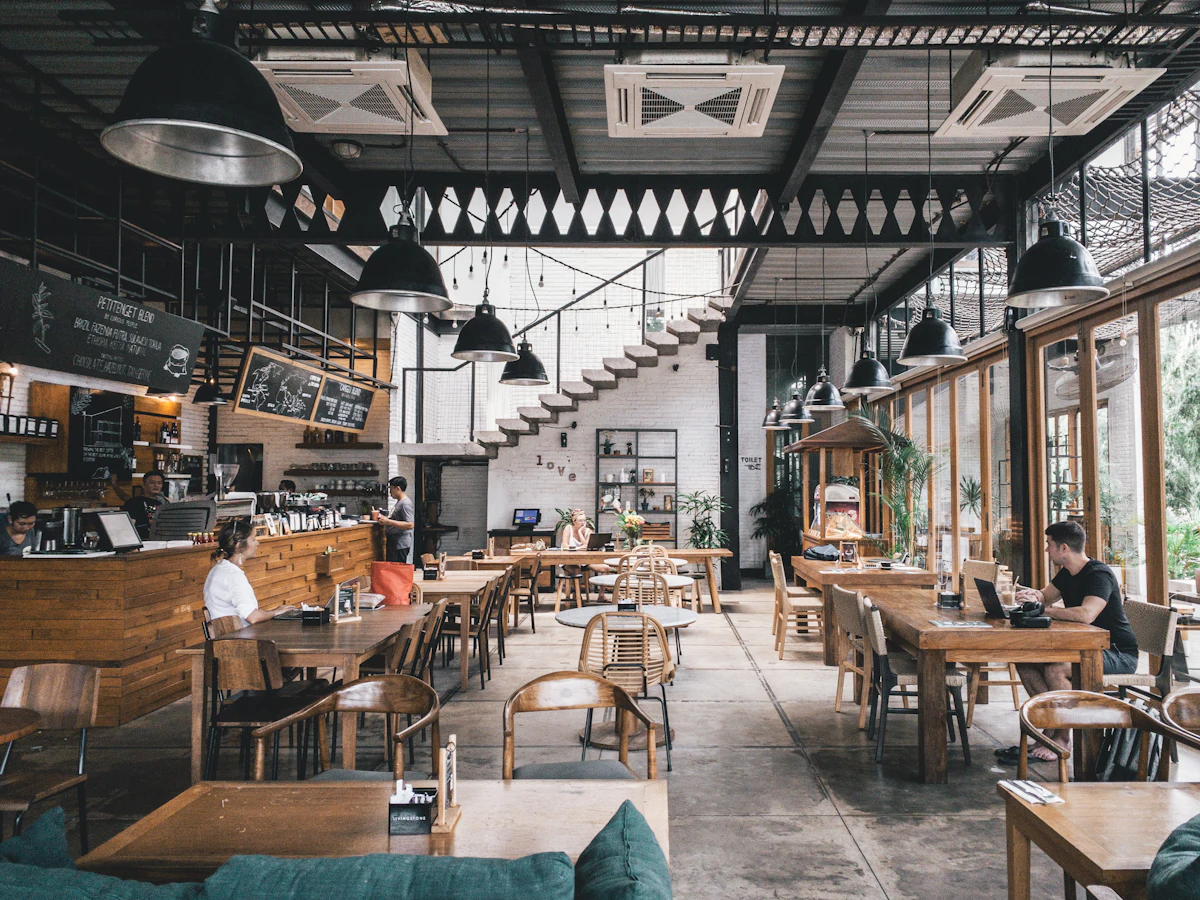
Small neighbourhood restaurant with tables set for dinner

How to structure a day without ruining it

Anchor the morning. Choose one thing that has to happen before lunch, ideally something that benefits from an early start: a museum, a viewpoint, a market, a hike. Book it if booking exists.

Leave the afternoon soft. This is where the trip usually happens. If it is hot, this is also when you should be indoors or asleep, which is what people who live in those cities do.

Decide dinner in advance only when it matters. One reserved dinner per city is usually the right number. The rest can be whatever looks good on the walk home.

And keep a wet weather option per destination. Not a plan, just a name written down somewhere, so that a bad forecast does not cost you a day of deciding.
Step 05

Now handle the practical part

Documents, baggage, airports, transfers and local transport. The last stage of the system, and the one that decides whether departure day is calm.

Preparation guides